









The core objective of the workshops is to facilitate the intersection of poetry, visual art, and sound, encouraging participants to experiment with different modes of creative expression. These workshops emphasize poetry as a channel for conveying meaningful messages—whether personal, collective, or cultural—using an array of digital and analog tools. The process encourages participants to move beyond traditional literary boundaries and explore innovative forms of storytelling that reflect diverse lived experiences.
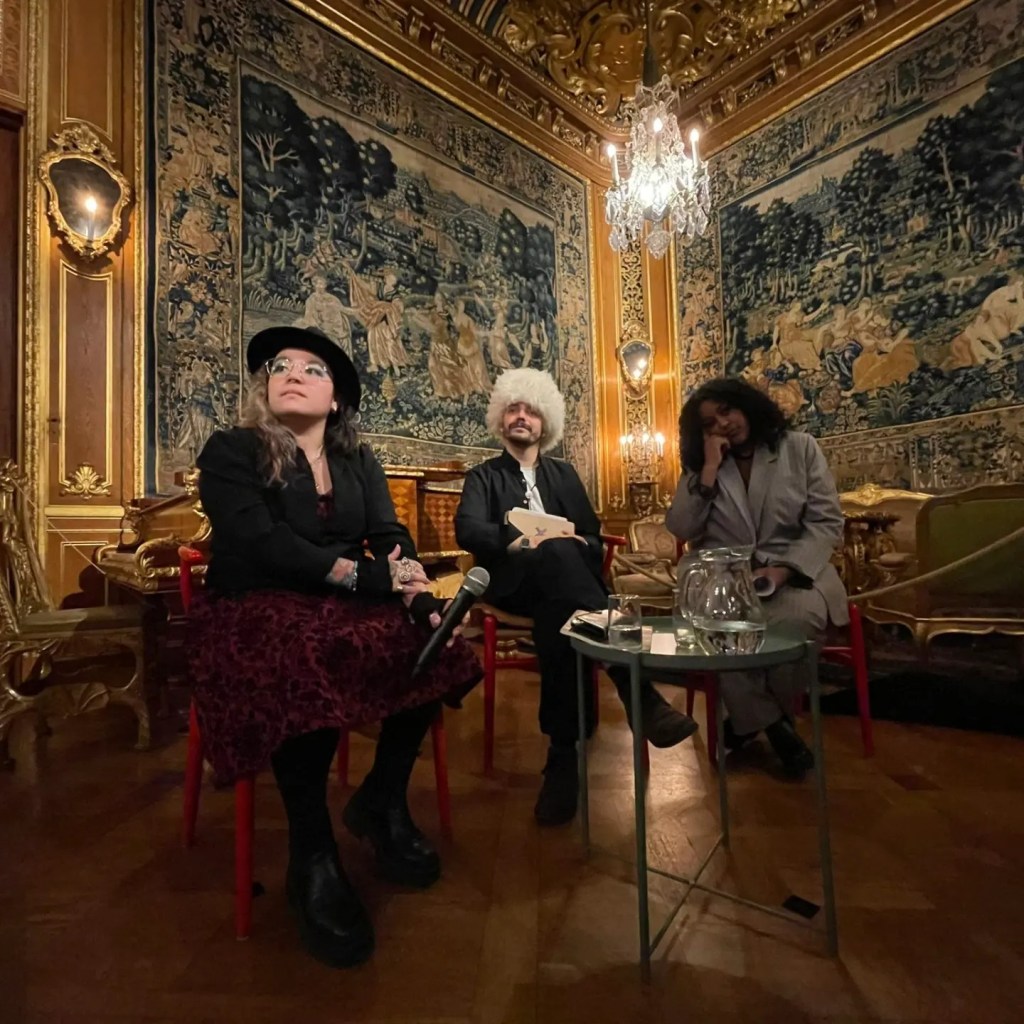
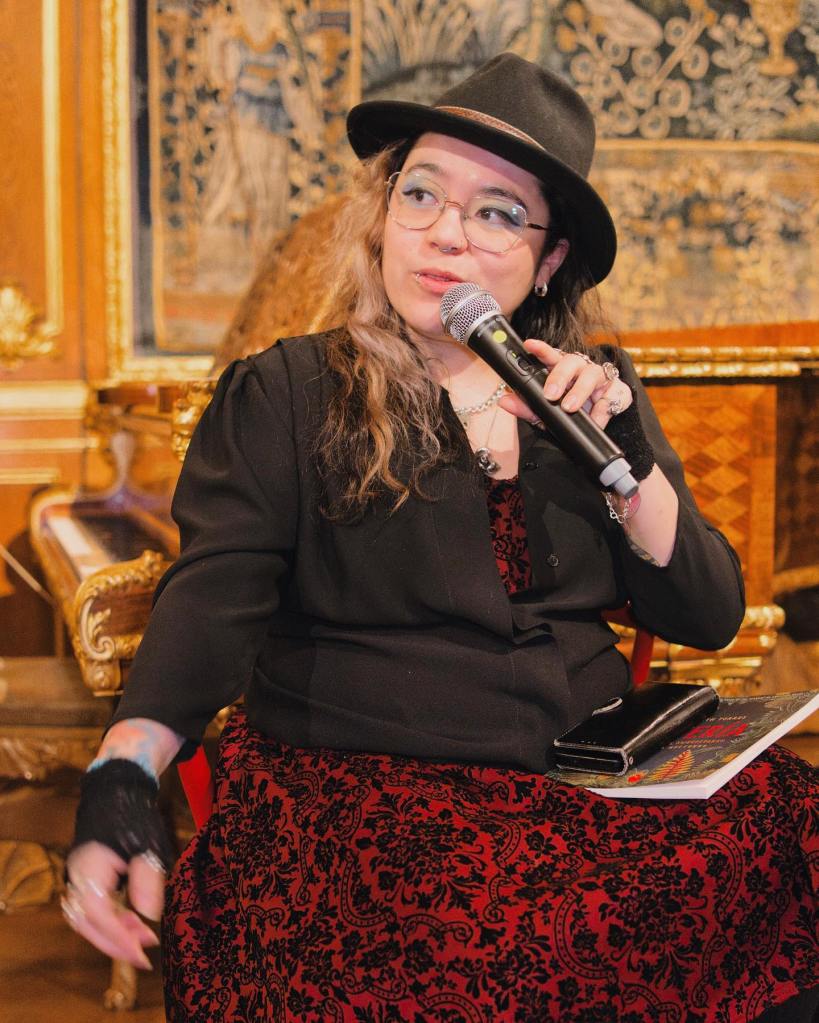
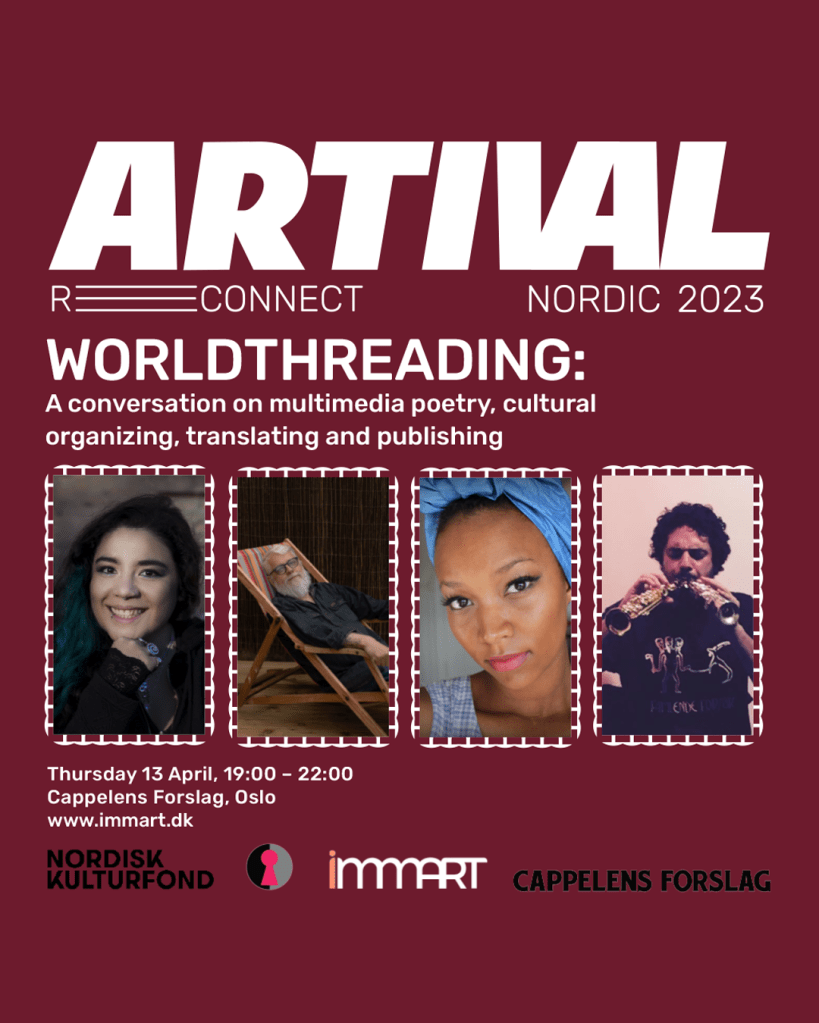
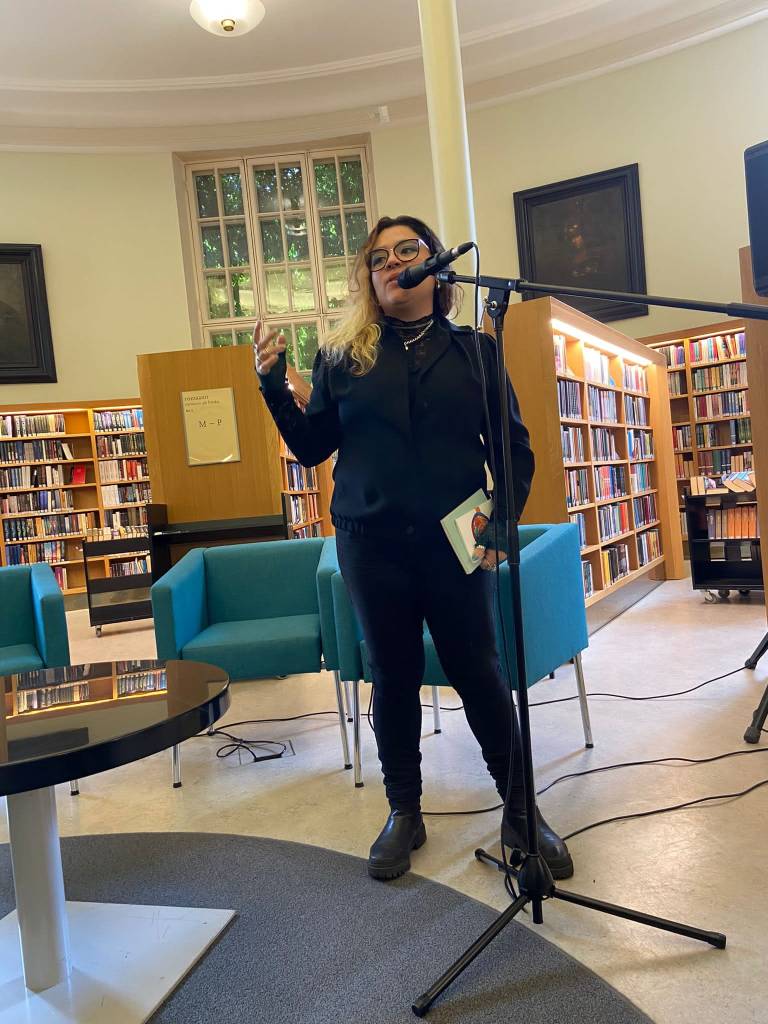
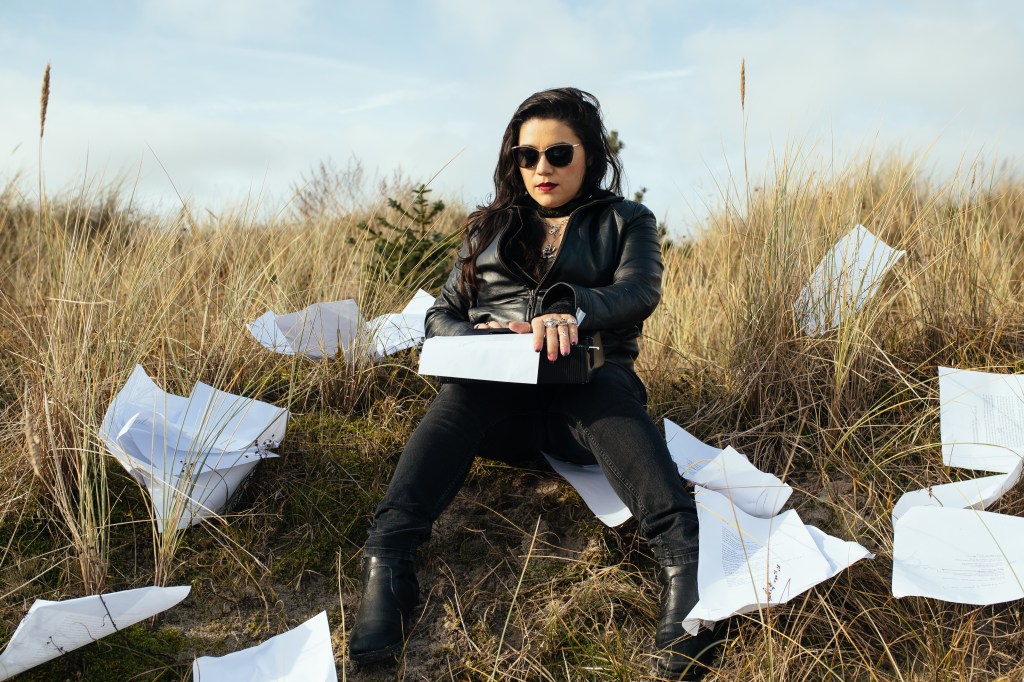
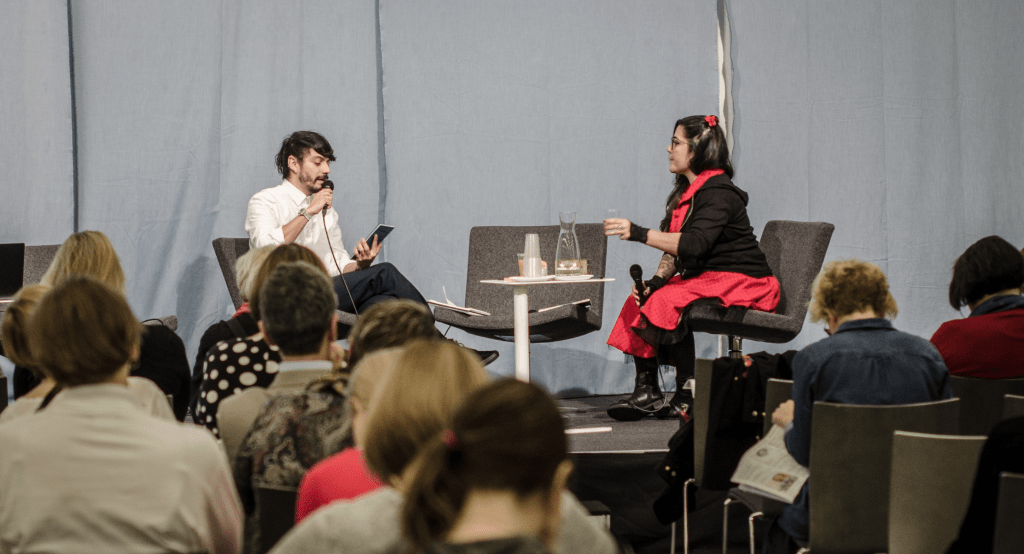
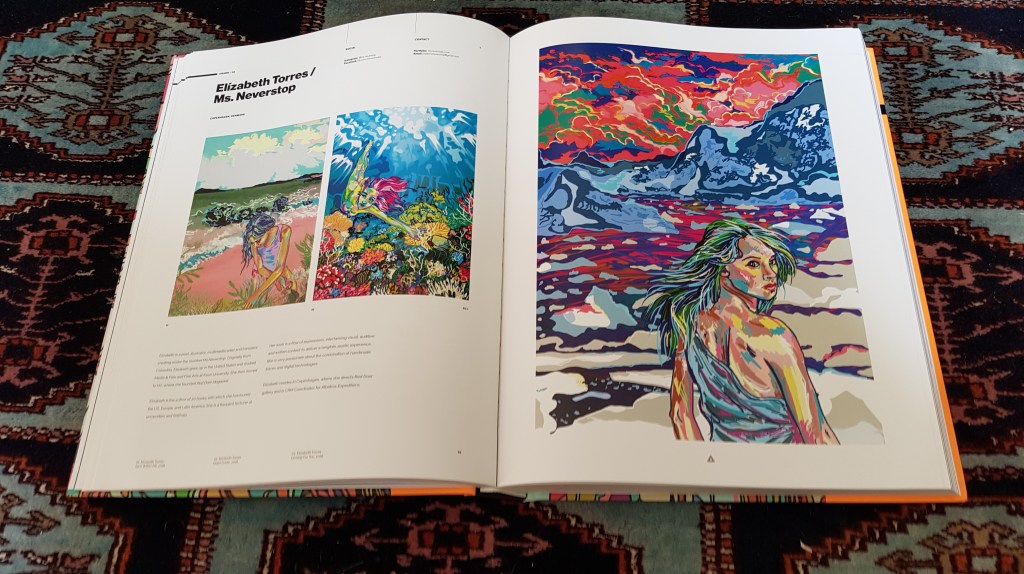
In this example, the workshop begins with a lecture-presentation on Elizabeth Torres’s artistic trajectory, underscoring her contributions to both the literary and multimedia art worlds. Drawing on her extensive body of work, participants gain insight into the conceptual foundations of her practice, as well as the challenges and opportunities involved in creating interdisciplinary, cross-cultural art. A key focus of the session is The Poetic Phonothèque, an archive of international voices, which serves as a model for the ways in which artistic practice and technology can intersect to preserve and amplify marginalized narratives. Participants are introduced to a selection of multimedia works from this collection, offering a global perspective on how poetry can be a catalyst for social and cultural change.
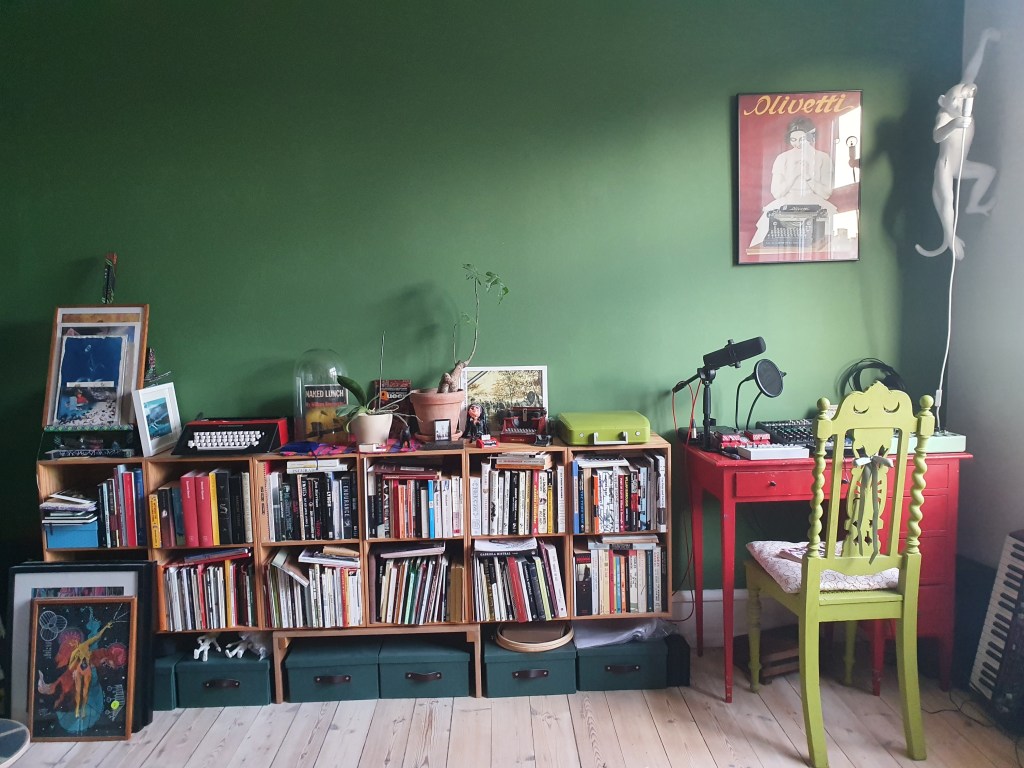
After the lecture, participants engage in a hands-on creative process, where they explore the use of various tools, such as analog and digital audio recorders, typewriters, computers, mobile phones, and other objects. These tools enable participants to experiment with the integration of sound, text, and visual media in the creation of audiovisual poems. The choice of tools and materials is intentionally broad, designed to democratize the creative process and encourage participants to approach poetry through a variety of expressive channels, whether through digital technologies or traditional formats.
The workshop concludes with the presentation of the participants’ works, which are shared as sound or audiovisual poems. These creative outputs are then added to The Poetic Phonothèque, enriching the archive with the unique voices and perspectives of participants. This archival inclusion ensures that each participant’s work becomes part of a larger, transnational conversation around the role of poetry in cultural memory, community building, and intergenerational exchange.
While this workshop format is a sample, it can be adapted to fit a variety of needs. For instance, workshops can focus on specific themes such as eco-poetics, memory and identity, or social justice, depending on the particular interests of the participants. The tools and mediums used can also be adjusted based on the available resources, ranging from low-tech methods, such as writing by hand and recording on cassette, to high-tech approaches using audio editing software, interactive installations, or virtual performance platforms.
Additionally, workshops can be customized for different audience groups, including students, artists, activists, or community members, each bringing unique perspectives and experiences. For example, academic workshops might focus more on the theoretical underpinnings of eco-poetics, while community-based workshops might emphasize the role of poetry in collective storytelling and cultural preservation.
Overall, these workshops serve as a platform for fostering interdisciplinary creative practice, cultural dialogue, and collaborative learning. Participants are encouraged to engage with poetry and multimedia art as both a personal and collective practice, using art to communicate, reflect, and build connections across different communities and cultural contexts.


 ELIZABETH TORRES