
Red Door Magazine
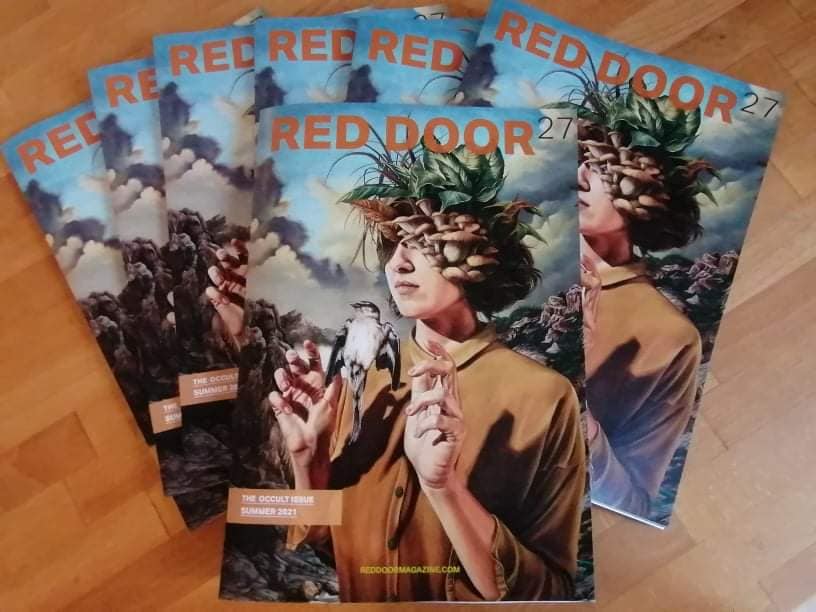
Red Door Magazine, founded in New York in 2009 by Elizabeth Torres and now based in Copenhagen, is an independent cultural platform that integrates publishing, exhibition-making, and curatorial practice. From its inception, the magazine has functioned as a space for the circulation of emerging and experimental voices in literature, art, and critical thought, positioning itself outside mainstream publishing economies and institutional hierarchies. It is produced as both a digital platform and a limited-edition print object, with each issue designed not only as a vessel for content but also as an artifact of independent publishing culture.
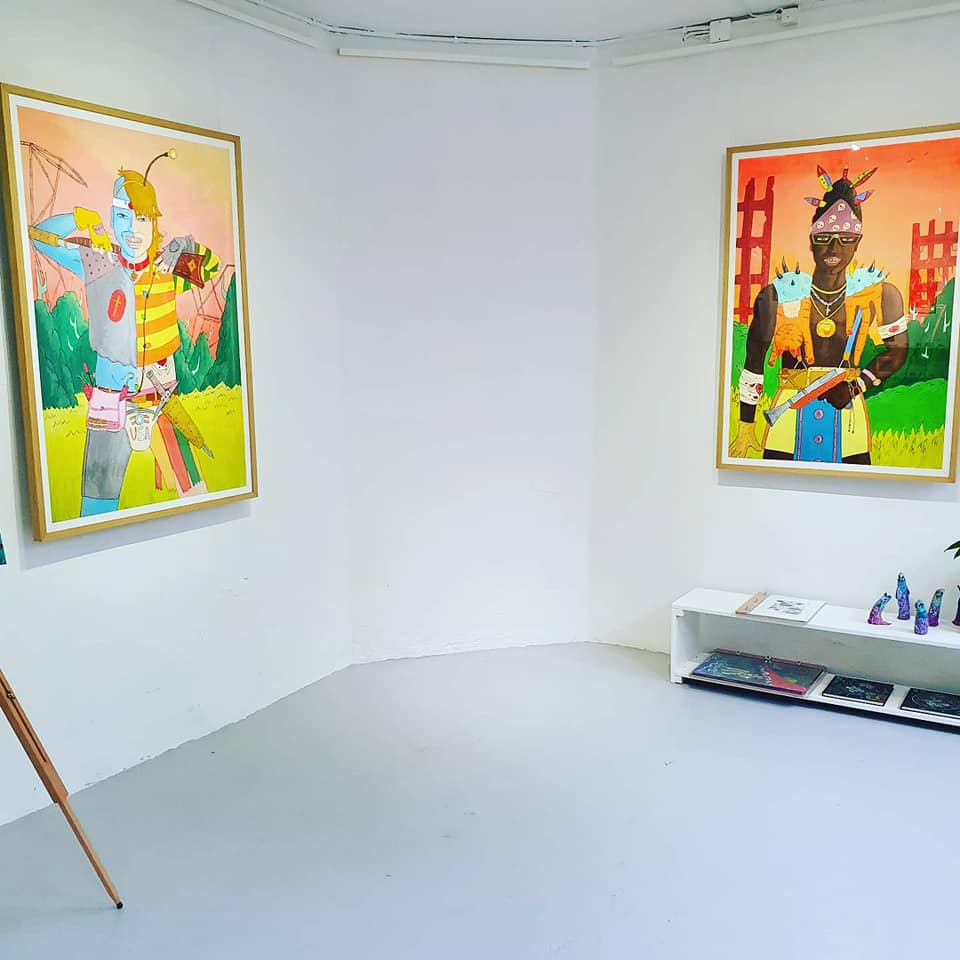
The editorial focus of Red Door Magazine embraces hybridity, drawing together poetry, fiction, essays, visual art, and interviews in order to create interdisciplinary dialogues and cross-cultural encounters. Its programming frequently extends beyond the printed page, activating a transnational community through curated exhibitions, readings, and interventions hosted in the Red Door Gallery in Copenhagen and in partner spaces abroad. Through a network of correspondents across Europe, Latin America, and North America, the magazine sustains a global dialogue while foregrounding the local contexts in which it operates.
As an ongoing artistic project, Red Door reimagines publishing as a performative and cultural practice. It challenges the boundaries between editorial work, artistic curation, and social engagement, situating the magazine within broader discourses of independent publishing, transnationalism, and cultural activism. In doing so, it contributes to a growing body of work that understands publishing as both a mode of critical inquiry and a tool for collective imagination.
Red Door now includes: Red Door Magazine (quarterly publications online and on print), Red Press (publishing project), Red Transmissions podcast series, and Red Visions (Youtube Channel) as well as Red Door Gallery in Copenhagen and as a cultural project in the Nordic region.



The Poetic Phonothèque
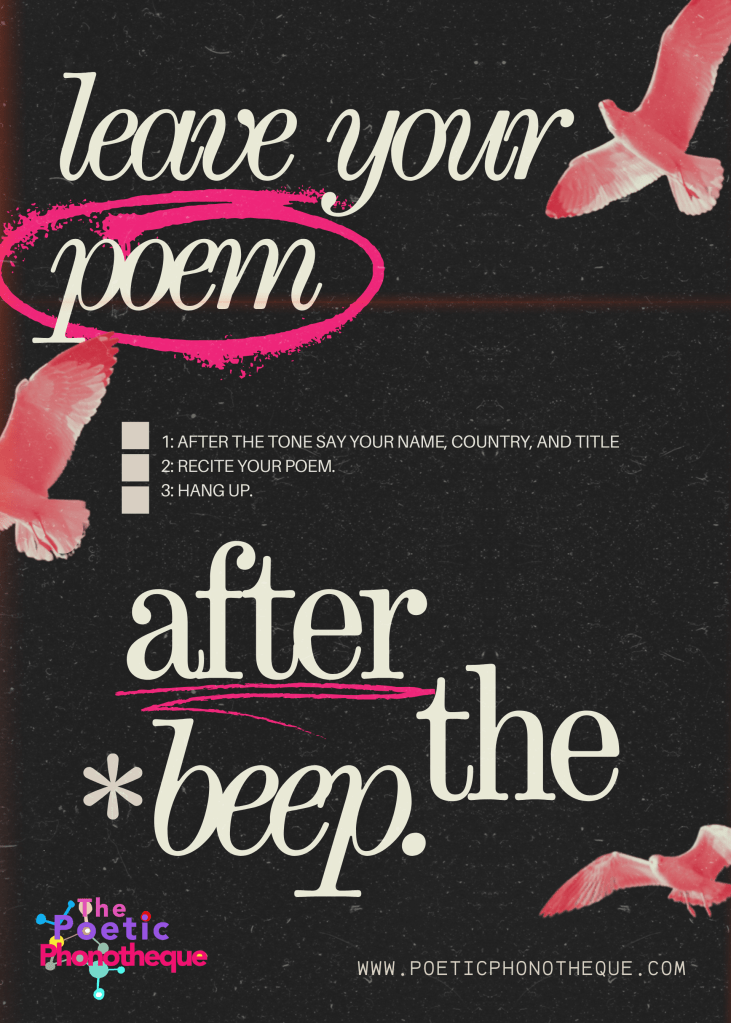
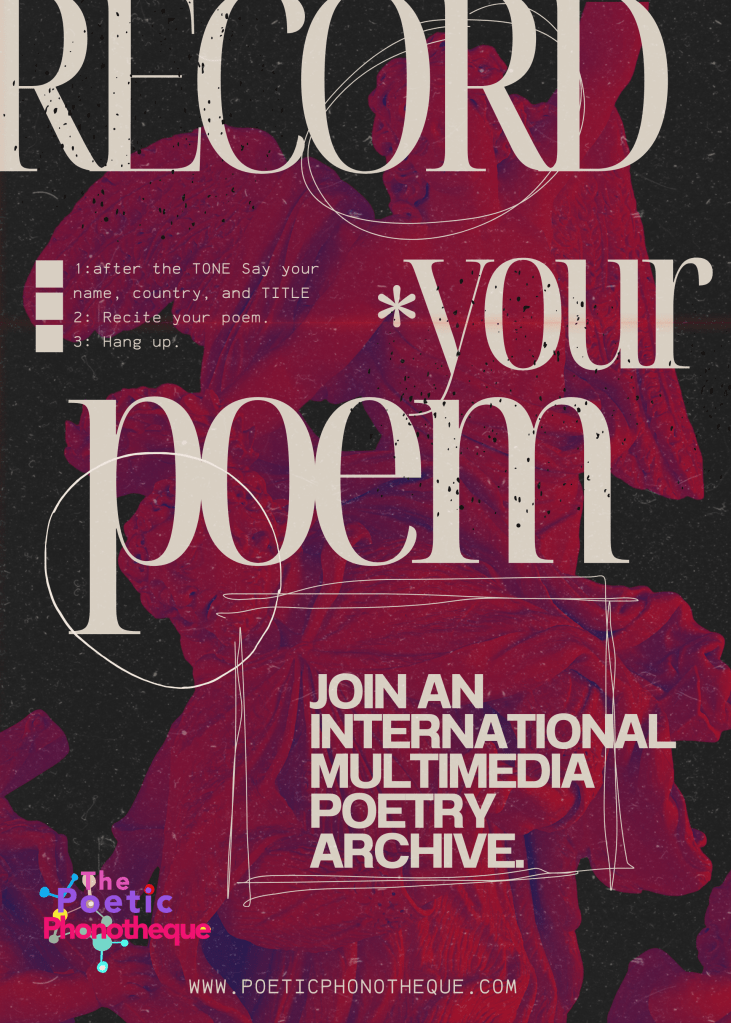
The Poetic Phonothèque, established by Elizabeth Torres in Copenhagen, is an expansive research-driven project that operates at the intersection of poetics, sound studies, film, and archival practice. It is conceived as a “living archive” dedicated to the preservation, dissemination, and activation of contemporary poetry in multiple languages and across diverse media. With a collection that currently exceeds seven hundred works, the archive encompasses audio recordings, poetry films, and printed publications, forming one of the most extensive independent repositories of its kind.
The Phonothèque positions poetry as a performative and relational practice, foregrounding the voice and its capacity to traverse cultural, linguistic, and geographic borders. It addresses the archive not as a static repository but as an evolving, participatory platform. To this end, the project organizes workshops, listening sessions, open-mic gatherings, and community-based events designed to reframe the experience of poetry as immersive and dialogical. Its annual Nature & Culture International Poetry Film Festival further situates the Phonothèque within critical debates around ecology, media, and cultural production, highlighting the intersections between poetic practice, environmental awareness, and new technologies of representation.
At the core of the Phonothèque’s methodology is an emphasis on circulation and exchange. The project collaborates with a network of international ambassadors, ensuring that the archive is not only accessible but also mobile, adaptable, and continuously renewed. By connecting poets, filmmakers, educators, and audiences across continents, the Phonothèque generates an intergenerational and intercultural dialogue that extends beyond the preservation of poetic works into the creation of new forms of poetic memory.
As an academic and cultural project, The Poetic Phonothèque contributes to broader discourses in archival theory, performance studies, and artistic research, raising questions about authorship, translation, and the ethics of preservation. By weaving together sound, image, and text, it positions poetry as a dynamic cultural force capable of shaping collective imaginaries and fostering global communities of practice.
The Poetic Phonothèque is now a registered non-profit in Canada and in the United States, and has headquarters in Denmark, Sweden, Finland, the U.S, Canada and Wales.




NoMuLAB: Nordic Multimedia Writing LAB

NoMuLAB (Nordic Multimedia Writing LAB) is a transnational initiative dedicated to promoting multilingual and multicultural literary expression across the Nordic region. Established through a partnership between Red Door (Denmark) and Ós Pressan (Iceland), NoMuLAB combines research, pedagogy, and digital innovation to empower writers, educators, and cultural practitioners from diverse linguistic and social backgrounds.
The project specifically addresses the challenges faced by writers who are marginalized by dominant language structures, including both migrants and residents whose contributions are often rendered invisible. NoMuLAB also works closely with Deaf writers, ensuring accessibility and inclusion in all educational and creative offerings. The platform provides free online courses, workshops, and multimedia resources that are carefully aligned with Nordic academic standards and the European Qualifications Framework (EQF), supporting both professional and scholarly engagement with multilingual writing.
NoMuLAB is grounded in rigorous research, including needs assessments, national and transnational reports, and participatory consultation with writers, educators, and cultural organisations. These activities inform the development of courses, workshops, and multiplier events designed to strengthen local and regional networks, foster intercultural dialogue, and enhance pedagogical practices in multilingual and multicultural education.
Through its transnational structure, NoMuLAB aims to consolidate a Nordic-wide literary and educational network, creating opportunities for collaboration, knowledge exchange, and professional development. The lab contributes to social inclusion, cultural diversity, and the amplification of underrepresented voices, positioning the Nordic region as a site of innovative, equitable, and accessible literary practice.
Engage with NoMuLAB to access courses, participate in workshops, contribute to research, and join a dynamic community of writers, educators, and scholars across the Nordic region:


 ELIZABETH TORRES